Baldwin Piano and Organ Company
piano manufacturer | founded 1857
Founded inCincinnati, Ohio, USA
Biographyby Sarah Davachi
In 1862, Baldwin established a piano dealership in conjunction with the Decker Brothers piano manufacturer. His first business partner, Lucien Wulsin, was hired four years later, with the D.H. Baldwin & Company name established in 1873.
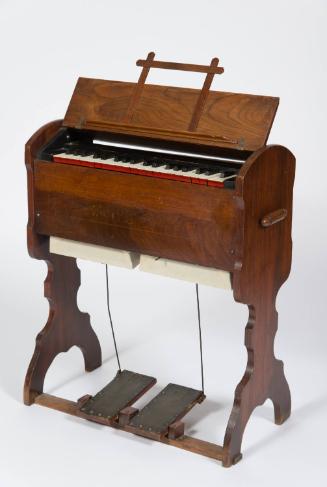
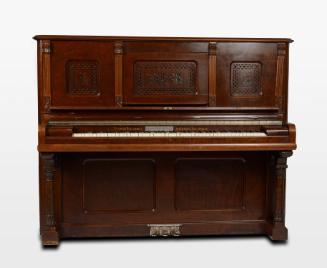
By 1890, the company was the largest piano dealer in the Midwestern United States. That same year, Baldwin sought to move from retail into manufacturing and founded two production companies: Hamilton, which produced reed organs, and the Baldwin Piano Company. Their first piano, a vertical, was constructed in 1891 with the first grand emerging four years later. Wulsin took over management of the company following Baldwin’s death in 1899, with the leadership remaining in Wulsin’s family for several generations. During his time, manufacturing increased while retail significantly decreased.
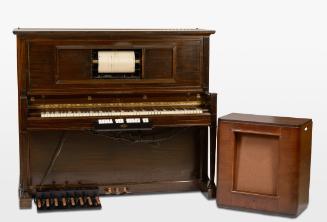
A series of accolades were awarded the company at the turn of the century, including the grand prizes at the Exposition Universelle in Paris, for which Baldwin was the first American company to receive that specific honour, and the Lousiana Purchase Exposition. In the 1920s, the company began producing a line of player pianos. Thanks to careful financial spending and saving, they were able to survive the onset of the Great Depression in 1929, which, for most piano manufacturers, was coupled with a decline in the popularity of player pianos throughout the late 1920s.
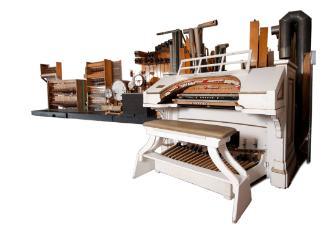
During the Second World War, the company’s Cincinnati factory oversaw the production of plywood aircraft components, which were later modified for use in postwar pianos, as in the 41-ply maple pinblock. Following the war, production and sales increased to nearly twice pre-war levels. Baldwin’s first electronic organ emerged in the mid 1940s, resulting in a rebrand to the Baldwin Piano and Organ Company. Between 1963 and 1986, Baldwin maintained control of C. Bechstein Pianofortefabrik.
In 1959 and 1961, two more factories were established: one in Conway, Arkansas for manufacturing vertical pianos, and another in Greenwood, Mississippi, respectively. In the early 1960s, the company sought to diversify their products and attempt to penetrate the popular music market by establishing a retail presence in the world of guitars. In 1965, they acquired Burns of London, and between 1967 and 1989, they maintained control of Gretsch. Throughout this time, Baldwin’s president also developed the Prismatone pickup intended for nylon-string guitars.
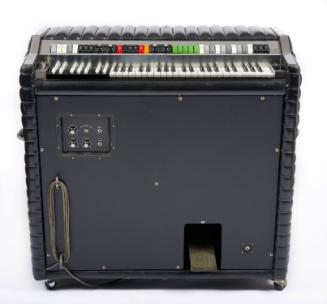
The company’s famed electric harpsichord emerged in the early 1960s as an extension of designs developed by revivalist harpsichord builders Eric Herz and Caleb Warner of Cannon Guild in Cambridge, Massachusetts. Financial difficulties began to surmount in the early 1980s, forcing the company to file for bankruptcy in 1983 and again in 2001 despite a brief period of improvements in the 1990s. That same year, the company was purchased by the Gibson Guitar Corporation and remains a subsidiary, producing pianos under the Baldwin, Hamilton, Chickering, and Wurlitzer trademarks. Domestic production of Baldwin pianos ceased in late 2008, with satellite factories opening in China.
In 1862, Baldwin established a piano dealership in conjunction with the Decker Brothers piano manufacturer. His first business partner, Lucien Wulsin, was hired four years later, with the D.H. Baldwin & Company name established in 1873.
By 1890, the company was the largest piano dealer in the Midwestern United States. That same year, Baldwin sought to move from retail into manufacturing and founded two production companies: Hamilton, which produced reed organs, and the Baldwin Piano Company. Their first piano, a vertical, was constructed in 1891 with the first grand emerging four years later. Wulsin took over management of the company following Baldwin’s death in 1899, with the leadership remaining in Wulsin’s family for several generations. During his time, manufacturing increased while retail significantly decreased.
A series of accolades were awarded the company at the turn of the century, including the grand prizes at the Exposition Universelle in Paris, for which Baldwin was the first American company to receive that specific honour, and the Lousiana Purchase Exposition. In the 1920s, the company began producing a line of player pianos. Thanks to careful financial spending and saving, they were able to survive the onset of the Great Depression in 1929, which, for most piano manufacturers, was coupled with a decline in the popularity of player pianos throughout the late 1920s.
During the Second World War, the company’s Cincinnati factory oversaw the production of plywood aircraft components, which were later modified for use in postwar pianos, as in the 41-ply maple pinblock. Following the war, production and sales increased to nearly twice pre-war levels. Baldwin’s first electronic organ emerged in the mid 1940s, resulting in a rebrand to the Baldwin Piano and Organ Company. Between 1963 and 1986, Baldwin maintained control of C. Bechstein Pianofortefabrik.
In 1959 and 1961, two more factories were established: one in Conway, Arkansas for manufacturing vertical pianos, and another in Greenwood, Mississippi, respectively. In the early 1960s, the company sought to diversify their products and attempt to penetrate the popular music market by establishing a retail presence in the world of guitars. In 1965, they acquired Burns of London, and between 1967 and 1989, they maintained control of Gretsch. Throughout this time, Baldwin’s president also developed the Prismatone pickup intended for nylon-string guitars.
The company’s famed electric harpsichord emerged in the early 1960s as an extension of designs developed by revivalist harpsichord builders Eric Herz and Caleb Warner of Cannon Guild in Cambridge, Massachusetts. Financial difficulties began to surmount in the early 1980s, forcing the company to file for bankruptcy in 1983 and again in 2001 despite a brief period of improvements in the 1990s. That same year, the company was purchased by the Gibson Guitar Corporation and remains a subsidiary, producing pianos under the Baldwin, Hamilton, Chickering, and Wurlitzer trademarks. Domestic production of Baldwin pianos ceased in late 2008, with satellite factories opening in China.



(division of Norlin Music Instruments, Ltd.)
piano makers, entrepreneurs | incorporated 1866