David McLey
inventor | 1947 - 2010
BornAugust 6, 1947 in Trenton, Missouri, USA
DiedMay 14, 2010 in Salisbury, Missouri, USA
Biographyby Stuart Berman
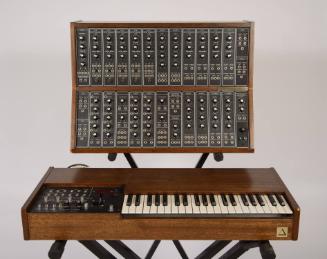
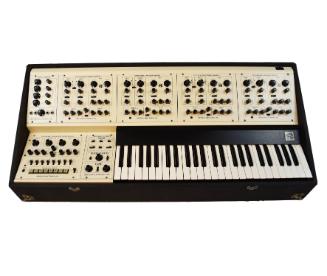
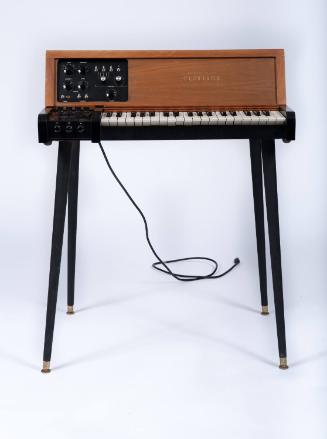
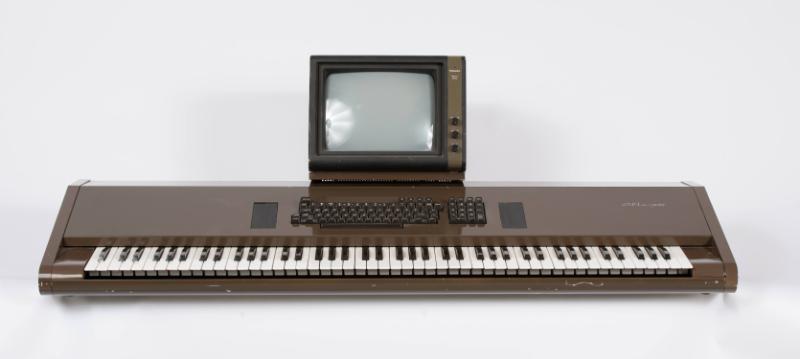
What the eight-track tape was to personal music listening, the McLeyvier was to classical composition: a seemingly revolutionary innovation that ultimately couldn’t keep pace with rapidly changing technology. The device eventually slid into unceremonious obsolence. Unveiled in 1981 by David McLey, an American composer and self-taught computer programmer based in Toronto, the McLeyvier took the synthesizer to the next level. McLey tricked out the standard keyboard with a computer-screen display, interactive communication, editing and playback functionality, sheet-music print-out capabilities and enough hard-drive space to store six hours of music.
Though it anticipated the current GarageBand-ization of home recording—“Eventually, computers could write their own music,” McLey theorized to People magazine in 1982—the McLeyvier was built on an analog operating system just as digital became the industry standard. By 1983, the device was already considered an antiquated relic. (And a very expensive one at that: at the time, you could’ve bought a house in Toronto for the same price—$70,000, according to People—as a high-end McLeyvier.)
Frustrated by technological roadblocks, McLey returned to his career in soundtrack and commercial-jingle composition before he succumbed to diabetes in 2010 at the age of 62. Though it’s said that fewer than 10 McLeyviers were manufactured, the instrument’s legacy lives on in the work of celebrated American avant-garde composer Laurie Spiegel. An enthusiastic early adopter, she inherited the R&D reins from McLey and spearheaded an (ultimately failed) effort to digitize the souped-up synth’s operating system. For an invention that portended the computerization of human behaviourial processes, it’s oddly fitting that the only way to get a sense of what a McLeyvier sounds like in action is through a viewing of the 1983 Canadian comedy classic, Strange Brew. In it, McLeyvier–like strains summon Team Elsinore’s brainwashed hockey goons to attack Bob and Doug McKenzie.
What the eight-track tape was to personal music listening, the McLeyvier was to classical composition: a seemingly revolutionary innovation that ultimately couldn’t keep pace with rapidly changing technology. The device eventually slid into unceremonious obsolence. Unveiled in 1981 by David McLey, an American composer and self-taught computer programmer based in Toronto, the McLeyvier took the synthesizer to the next level. McLey tricked out the standard keyboard with a computer-screen display, interactive communication, editing and playback functionality, sheet-music print-out capabilities and enough hard-drive space to store six hours of music.
Though it anticipated the current GarageBand-ization of home recording—“Eventually, computers could write their own music,” McLey theorized to People magazine in 1982—the McLeyvier was built on an analog operating system just as digital became the industry standard. By 1983, the device was already considered an antiquated relic. (And a very expensive one at that: at the time, you could’ve bought a house in Toronto for the same price—$70,000, according to People—as a high-end McLeyvier.)
Frustrated by technological roadblocks, McLey returned to his career in soundtrack and commercial-jingle composition before he succumbed to diabetes in 2010 at the age of 62. Though it’s said that fewer than 10 McLeyviers were manufactured, the instrument’s legacy lives on in the work of celebrated American avant-garde composer Laurie Spiegel. An enthusiastic early adopter, she inherited the R&D reins from McLey and spearheaded an (ultimately failed) effort to digitize the souped-up synth’s operating system. For an invention that portended the computerization of human behaviourial processes, it’s oddly fitting that the only way to get a sense of what a McLeyvier sounds like in action is through a viewing of the 1983 Canadian comedy classic, Strange Brew. In it, McLeyvier–like strains summon Team Elsinore’s brainwashed hockey goons to attack Bob and Doug McKenzie.

piano makers, entrepreneurs | incorporated 1866