Nash the Slash
performer, musician | 1948 - 2014
BornJames Jeffrey Plewman on March 26, 1948 in Toronto, Ontario, Canada
DiedMay 10, 2014 in Toronto, Ontario, Canada
Biographyby Sarah Davachi
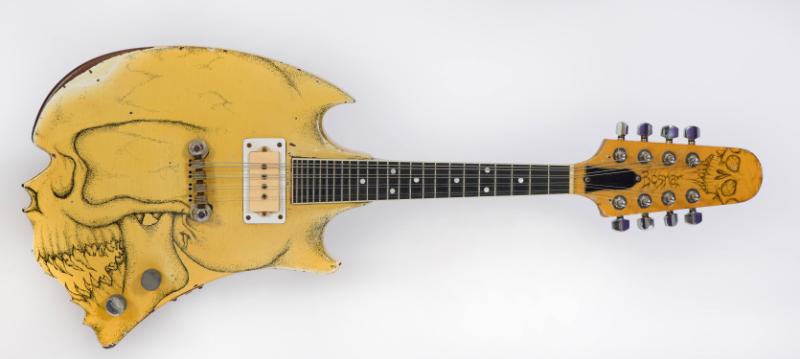
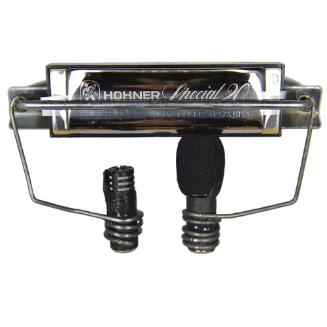
Jeff Plewman, known professionally as Nash the Slash, was born James Jeffrey Plewman on 26 March 1948 in Toronto, Ontario, Canada. As both a performer and a musician, Plewman was particularly lauded for his unique stage presence, with a trademark tuxedo-and-hat costume and bandage-wrapped face, and for his diverse musical range, which incorporated elements of pop, rock, new wave, new age, instrumental, and experimental styles, as well as uncommon instruments such as electric mandolin, electric violin, harmonica, and glockenspiel. He cites his early musical influences as being quite varied, as well, including classical composers such as Beethoven, Tchaikovsky, and Prokofiev, krautrock pioneers such as Amon Duul, Kraftwerk, and Neu!, rock bands such as The Who and Hawkwind, and experimental luminaries such as Brian Eno, Silver Apples, and Moondog. His first public performance came in 1975 when then owner of Toronto’s Roxy Theatre, Gary Topper, invited him to perform alongside a screening of the silent film, Un chien andalou, a surrealist short produced in 1929 by Spanish filmmaker Luis Buñuel and artist Salvador Dali. Topper would later serve as a frequent promoter for Plewman and helped to inspire his Nash the Slash persona. A series of performances accompanying silent film, especially those dealing with the macabre, including classics such as Nosferatu (1922) and The Cabinet of Dr. Caligari (1920), followed, and in 1976, Plewman formed the group FM with local musicians with whom he had been improvising; the group released Black Noise in 1977, which would later become gold certified. Plewman left FM the following year, focusing on his solo career and newly formed stage appearance, which would become his trademark look. In order to release and distribute his outsider music, he formed his own label, Cut-throat Records, which stands as among the first independent labels in Canada. While his earliest works were exclusively instrumental, his efforts into the 1980s began to incorporate increasing vocals and elements of popular music, garnering him greater attention among venue promoters and radio stations. In 1980, Plewman was invited to join English new wave icon Gary Numan on a tour of the United Kingdom; the following year, Plewman released Children of the Night on the Dindisc imprint of Virgin Records, home to Orchestral Manoeuvres in the Dark. The 1980s was Plewman’s most prolific and experimental time, with the production of the first commercial record that could be listened to at any speed – a unique feat that earned a review in Playboy magazine – as well as work with famed Canadian producer Daniel Lanois, prior to his association with Brian Eno. In 1984, Plewman released The Million Year Picnic on Ralph Records, an American independent label managed by the San Francisco-based experimental rock group, The Residents. In addition to his use of instruments such as electric violin and electric mandolin, Plewman was also especially known for his use of drum machines, and held the honour of being the first Canadian musician to employ a drum machine on an album (1978’s Bedside Companion EP) at a time when the instrument was effectively banned according to the bylaws of the Toronto Musicians’ Association. In 1982, Plewman also successfully sued Pepsi Cola of Canada for misappropriation of his persona. He continued his work in film scoring throughout the 1990s, while also undertaking a series of multimedia collaborations with visual artists. Perhaps the most notable among these was his partnership with the surrealist artist, Robert Vanderhorst; the two performed under the moniker, Two Artists, first in 1978 and again in 2004. Plewman officially retired in 2012, and passed away in his Toronto home on 10 May 2014.
Jeff Plewman, known professionally as Nash the Slash, was born James Jeffrey Plewman on 26 March 1948 in Toronto, Ontario, Canada. As both a performer and a musician, Plewman was particularly lauded for his unique stage presence, with a trademark tuxedo-and-hat costume and bandage-wrapped face, and for his diverse musical range, which incorporated elements of pop, rock, new wave, new age, instrumental, and experimental styles, as well as uncommon instruments such as electric mandolin, electric violin, harmonica, and glockenspiel. He cites his early musical influences as being quite varied, as well, including classical composers such as Beethoven, Tchaikovsky, and Prokofiev, krautrock pioneers such as Amon Duul, Kraftwerk, and Neu!, rock bands such as The Who and Hawkwind, and experimental luminaries such as Brian Eno, Silver Apples, and Moondog. His first public performance came in 1975 when then owner of Toronto’s Roxy Theatre, Gary Topper, invited him to perform alongside a screening of the silent film, Un chien andalou, a surrealist short produced in 1929 by Spanish filmmaker Luis Buñuel and artist Salvador Dali. Topper would later serve as a frequent promoter for Plewman and helped to inspire his Nash the Slash persona. A series of performances accompanying silent film, especially those dealing with the macabre, including classics such as Nosferatu (1922) and The Cabinet of Dr. Caligari (1920), followed, and in 1976, Plewman formed the group FM with local musicians with whom he had been improvising; the group released Black Noise in 1977, which would later become gold certified. Plewman left FM the following year, focusing on his solo career and newly formed stage appearance, which would become his trademark look. In order to release and distribute his outsider music, he formed his own label, Cut-throat Records, which stands as among the first independent labels in Canada. While his earliest works were exclusively instrumental, his efforts into the 1980s began to incorporate increasing vocals and elements of popular music, garnering him greater attention among venue promoters and radio stations. In 1980, Plewman was invited to join English new wave icon Gary Numan on a tour of the United Kingdom; the following year, Plewman released Children of the Night on the Dindisc imprint of Virgin Records, home to Orchestral Manoeuvres in the Dark. The 1980s was Plewman’s most prolific and experimental time, with the production of the first commercial record that could be listened to at any speed – a unique feat that earned a review in Playboy magazine – as well as work with famed Canadian producer Daniel Lanois, prior to his association with Brian Eno. In 1984, Plewman released The Million Year Picnic on Ralph Records, an American independent label managed by the San Francisco-based experimental rock group, The Residents. In addition to his use of instruments such as electric violin and electric mandolin, Plewman was also especially known for his use of drum machines, and held the honour of being the first Canadian musician to employ a drum machine on an album (1978’s Bedside Companion EP) at a time when the instrument was effectively banned according to the bylaws of the Toronto Musicians’ Association. In 1982, Plewman also successfully sued Pepsi Cola of Canada for misappropriation of his persona. He continued his work in film scoring throughout the 1990s, while also undertaking a series of multimedia collaborations with visual artists. Perhaps the most notable among these was his partnership with the surrealist artist, Robert Vanderhorst; the two performed under the moniker, Two Artists, first in 1978 and again in 2004. Plewman officially retired in 2012, and passed away in his Toronto home on 10 May 2014.


Broadcaster and Founder of Stony Plain Records | born 1949