Edward "Ted" Rogers Sr.
inventor, radio pioneer | 1900 - 1939
BornJune 21, 1900 in Toronto, Ontario, Canada
DiedMay 6, 1939 in Toronto, Ontario, Canada
Biographyby Jay Somerset
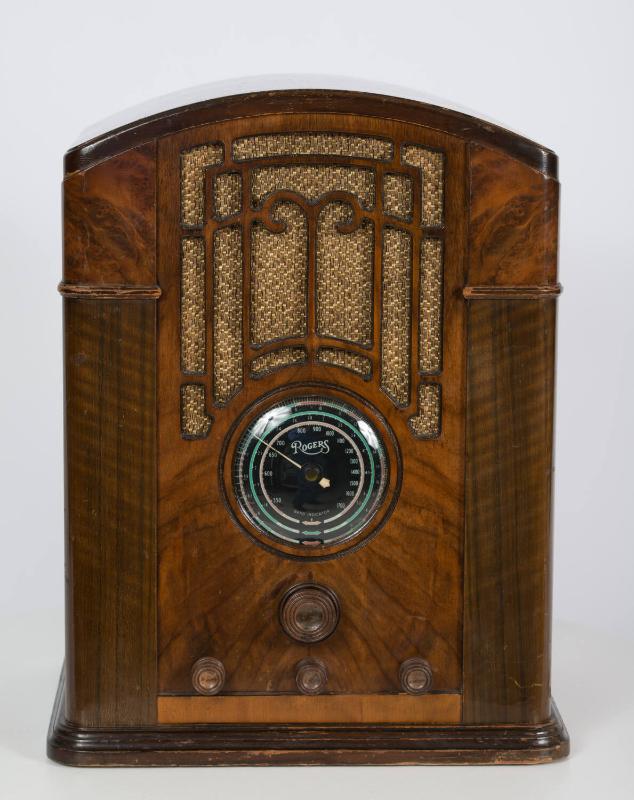
Before Edward Rogers came along, having a “home stereo” meant rigging up a cumbersome, noisy, battery-powered unit. Sleek and soulful, it was not. Then in 1925, Rogers—scion to the Canadian media empire—invented the first plug-in radio. His creation did away with the large, noisy batteries of the time and made having a radio in your living room affordable, forever changing how we listen to music at home.
IN DEPTH
If you lived in Canada before the 1920s, chances are good your living room, then known as a parlour, had a musical instrument of some sort—a piano, if you were lucky—but no radio. This is because radio as we know it was in its infancy. By 1922, there were only a handful of private radio stations in Canada, but by 1929, there were more than 60. The reason: Ted Rogers Sr.
Before Rogers came along, radios were largely used for navigational or instructional purposes. Partly, this was because radios were unwieldy, expensive units that ran off large, acid-filled rechargeable batteries that were often louder than the radios they were powering (which would have been fine if you were into a mechanized form of ambient, or drone, music). In a sense, it was like having a gas-powered generator in your living room.
By 1922, there were only a handful of private radio stations in Canada, but by 1929, there were more than 60. The reason: Ted Rogers Sr.
Then, in 1925, Rogers successfully built the first alternating current, or AC, radio tube. Without getting too technical, it meant you could simply plug in your radio to a common wall plug. Quiet, efficient, less expensive—radio became something most people could afford at home.
Of course, it wasn’t so simple. A development such as this didn’t just come from some amateur radio enthusiast soldering wires in his garage. Radio, or electronic communication in general, had been a passion of Rogers’ since childhood, when at age 11 he was already on the air with his own half-kilowatt spark transmitter that he used to send morse code signals. At 14, he is said to have picked up faint signals announcing the declaration of the First World War, even before the newspapers reported it. By 1921, he was the lone Canadian—and one of only 26 in North America—to transmit a signal across the Atlantic, a feat that earned him the nickname Wireless Wizard.
Rogers didn’t just build a radio; he also helped establish several broadcasting companies, including CFRB, which went on air in 1927, the first AC-powered radio station in the world and home to Saturday night hockey broadcasts for 40 years.
Ever the entrepreneur, Rogers also had his eyes set on the next big media move: television. And so in 1931, he secured the first TV licence in Canada.
Father to Ted Rogers Jr., who went on to build Canada’s largest media company, Ted Sr. passed away unexpectedly, in 1939, from an internal hemmorage. He was 38.
Before Edward Rogers came along, having a “home stereo” meant rigging up a cumbersome, noisy, battery-powered unit. Sleek and soulful, it was not. Then in 1925, Rogers—scion to the Canadian media empire—invented the first plug-in radio. His creation did away with the large, noisy batteries of the time and made having a radio in your living room affordable, forever changing how we listen to music at home.
IN DEPTH
If you lived in Canada before the 1920s, chances are good your living room, then known as a parlour, had a musical instrument of some sort—a piano, if you were lucky—but no radio. This is because radio as we know it was in its infancy. By 1922, there were only a handful of private radio stations in Canada, but by 1929, there were more than 60. The reason: Ted Rogers Sr.
Before Rogers came along, radios were largely used for navigational or instructional purposes. Partly, this was because radios were unwieldy, expensive units that ran off large, acid-filled rechargeable batteries that were often louder than the radios they were powering (which would have been fine if you were into a mechanized form of ambient, or drone, music). In a sense, it was like having a gas-powered generator in your living room.
By 1922, there were only a handful of private radio stations in Canada, but by 1929, there were more than 60. The reason: Ted Rogers Sr.
Then, in 1925, Rogers successfully built the first alternating current, or AC, radio tube. Without getting too technical, it meant you could simply plug in your radio to a common wall plug. Quiet, efficient, less expensive—radio became something most people could afford at home.
Of course, it wasn’t so simple. A development such as this didn’t just come from some amateur radio enthusiast soldering wires in his garage. Radio, or electronic communication in general, had been a passion of Rogers’ since childhood, when at age 11 he was already on the air with his own half-kilowatt spark transmitter that he used to send morse code signals. At 14, he is said to have picked up faint signals announcing the declaration of the First World War, even before the newspapers reported it. By 1921, he was the lone Canadian—and one of only 26 in North America—to transmit a signal across the Atlantic, a feat that earned him the nickname Wireless Wizard.
Rogers didn’t just build a radio; he also helped establish several broadcasting companies, including CFRB, which went on air in 1927, the first AC-powered radio station in the world and home to Saturday night hockey broadcasts for 40 years.
Ever the entrepreneur, Rogers also had his eyes set on the next big media move: television. And so in 1931, he secured the first TV licence in Canada.
Father to Ted Rogers Jr., who went on to build Canada’s largest media company, Ted Sr. passed away unexpectedly, in 1939, from an internal hemmorage. He was 38.




(division of Norlin Music Instruments, Ltd.)