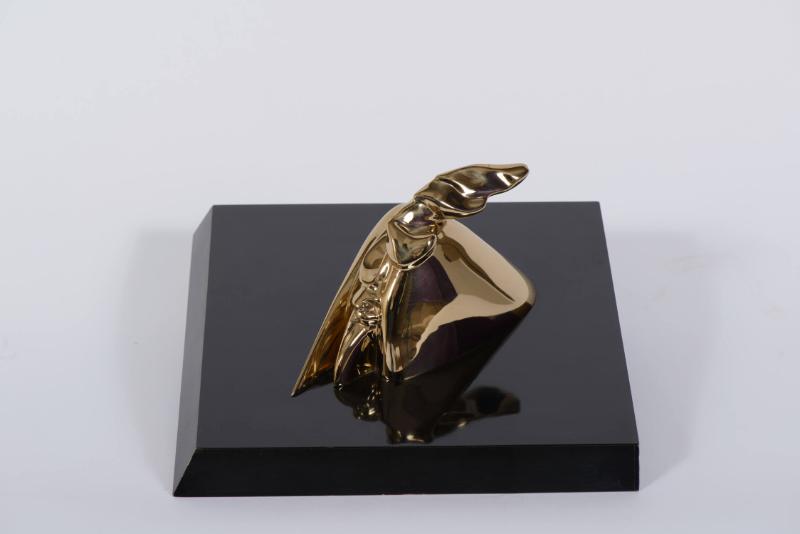
Paul Anka
vocalist, pianist, guitarist, songwriter, producter | born 1941
BornJuly 30, 1941 in Ottawa, Ontario, Canada
Biographyas told to Jason Anderson
Canada’s original teen idol, Paul Anka, had bobby soxers swooning in the late 1950s and early 1960s with heart-melting hits like “Diana,” “You Are My Destiny” and “Put Your Head on My Shoulder.” But unlike so many of his pretty-boy peers, Anka didn’t fade out once his first run of hits was done—he cannily reinvented himself several times over. In the ensuing decades, he’d wow crowds in Vegas, provide Johnny Carson with his theme song, craft iconic songs for friends like Frank Sinatra and Tom Jones and score a few more smashes of his own, including 1974’s “(You’re) Having My Baby.”
IN DEPTH
Paul Anka on songwriting and live performance as keys to his artistic longevity:
When I remember who I was at 17, I think there was more to admire than would make you scratch your head. My Canadian upbringing kept me pretty level and cool about things. I just was in a time when kids weren’t making their way into the music business— there was no American Idol. I navigated my way through this dream and focus that I had and I think it’s admirable that I did it on my own and did it as solidly as I could in a time of great innocence. I’m not patting myself on the back—I was aggressive but polite about putting myself in this adult world. I learned at an early age that you need business acumen to survive. Then I really believe there was an element of luck—which everybody needs. Another thing I learned at an early age is that you’re not always the best around—there’s always somebody better than you doing what you do. Back then it was just a matter of going after what I wanted and getting it done because I knew I didn’t want to do anything else.
When hard rock hit in the mid-’60s and none of us knew where else we were gonna go, I became a performer again and worked Vegas. Bobby Darin and I talked about it a lot. There were these guys in Vegas who were cool and wore tuxedos so we thought, ‘We can at least do that if we’re not selling records.’ So songwriting and performing are what gave me the confidence to keep going.
And there’s nothing better than hearing your song on the radio or in a karaoke bar. It’s the biggest kick. It’s hard to explain but maybe it’s because you’re alone when you create something—you have to sit there and write and then go, “Did I nail it?” Then to see it evolve to the point where it belongs to the world and you hear people all over the world, giving it their own interpretation in other languages and accents. There is no explanation for how that feels. It’s glowing, it’s heartfelt. It’s really like your child. Then it’s off on its own.
Canada’s original teen idol, Paul Anka, had bobby soxers swooning in the late 1950s and early 1960s with heart-melting hits like “Diana,” “You Are My Destiny” and “Put Your Head on My Shoulder.” But unlike so many of his pretty-boy peers, Anka didn’t fade out once his first run of hits was done—he cannily reinvented himself several times over. In the ensuing decades, he’d wow crowds in Vegas, provide Johnny Carson with his theme song, craft iconic songs for friends like Frank Sinatra and Tom Jones and score a few more smashes of his own, including 1974’s “(You’re) Having My Baby.”
IN DEPTH
Paul Anka on songwriting and live performance as keys to his artistic longevity:
When I remember who I was at 17, I think there was more to admire than would make you scratch your head. My Canadian upbringing kept me pretty level and cool about things. I just was in a time when kids weren’t making their way into the music business— there was no American Idol. I navigated my way through this dream and focus that I had and I think it’s admirable that I did it on my own and did it as solidly as I could in a time of great innocence. I’m not patting myself on the back—I was aggressive but polite about putting myself in this adult world. I learned at an early age that you need business acumen to survive. Then I really believe there was an element of luck—which everybody needs. Another thing I learned at an early age is that you’re not always the best around—there’s always somebody better than you doing what you do. Back then it was just a matter of going after what I wanted and getting it done because I knew I didn’t want to do anything else.
When hard rock hit in the mid-’60s and none of us knew where else we were gonna go, I became a performer again and worked Vegas. Bobby Darin and I talked about it a lot. There were these guys in Vegas who were cool and wore tuxedos so we thought, ‘We can at least do that if we’re not selling records.’ So songwriting and performing are what gave me the confidence to keep going.
And there’s nothing better than hearing your song on the radio or in a karaoke bar. It’s the biggest kick. It’s hard to explain but maybe it’s because you’re alone when you create something—you have to sit there and write and then go, “Did I nail it?” Then to see it evolve to the point where it belongs to the world and you hear people all over the world, giving it their own interpretation in other languages and accents. There is no explanation for how that feels. It’s glowing, it’s heartfelt. It’s really like your child. Then it’s off on its own.


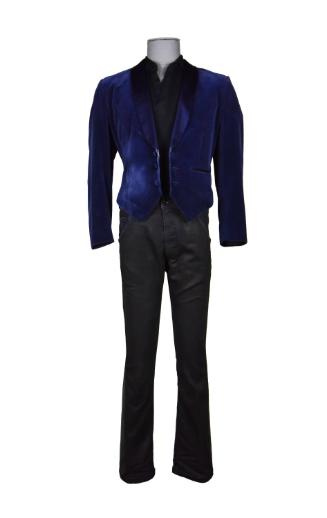

Canadian Music Icon and Broadcaster | 1936 - 2018
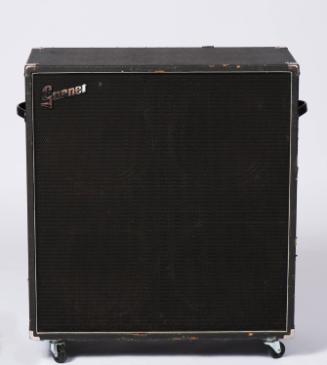
amplifier-maker, electronic engineer, musician | 1921 - 2006

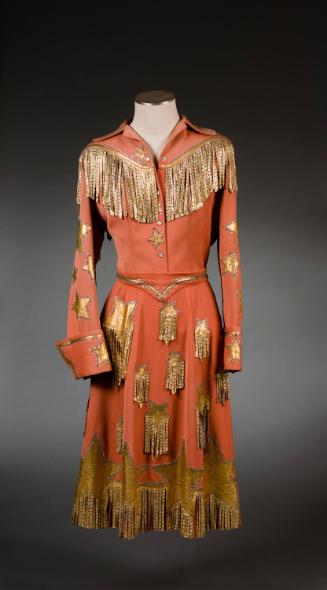

Contemporary Country Singer-Songwriter | born 1961